Back to Music Theory Fundamentals

Cadence

A cadence is a sequence of chords — usually at the end of a phrase — that provides a sense of pause, resolution, or closure. Just as punctuation shapes the flow of language, cadences shape the flow of music, marking the end of musical thoughts or sections.

Cadences are especially important for reinforcing the tonal center of a song. Most cadences return to the I chord, often after a moment of tension that makes the resolution feel satisfying. The chord that precedes the I in a cadence is sometimes called a cadence chord, denoted by "C" below:
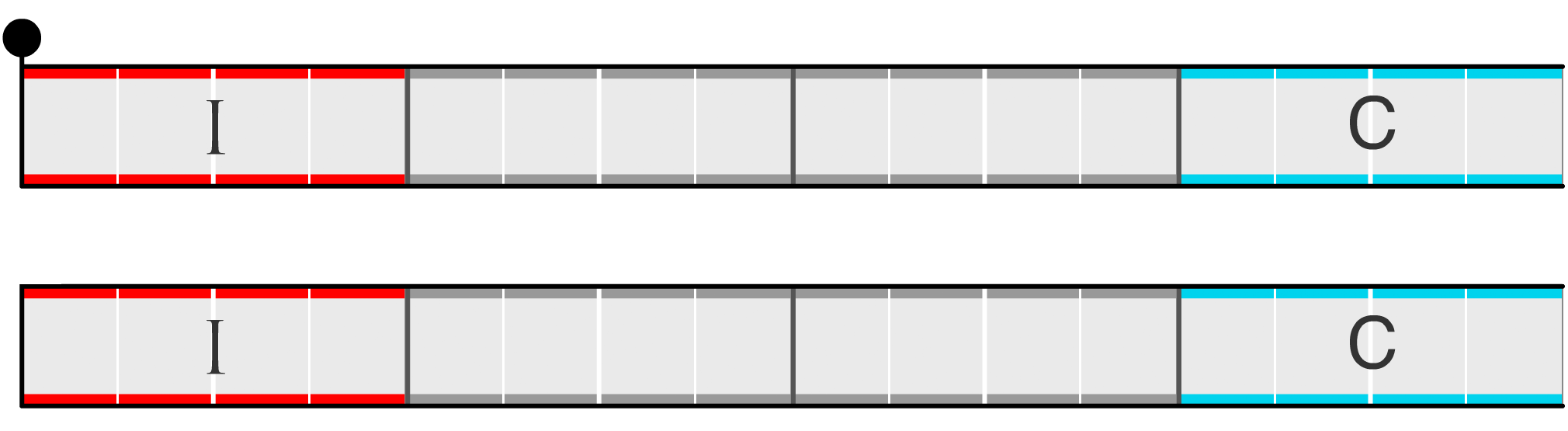
Common cadence example with V to I progression

In popular music, the most common cadence chord is the V, as shown below in Tom Petty's Free Fallin'. This motion — from dominant to tonic — creates a strong sense of arrival and is often used at the end of verses, choruses, or to link two different sections.

placeholder box

Contents

Music Fundamentals

The 7 notes that are the building blocks of a song
The spacing between notes

Functional Harmony

The study of how chords work
Establishing the set of notes and chords used in a song
A powerful framework for understanding how songs work
Numbering notes within a key
Numbering chords within a key

Basic Chord Concepts

Chords naturally found in the key
Different chord sounds and their function
Different ways of playing or arranging the same chord
Ending a musical idea

Melody

A song's rhythmic framework
Understanding melody tension over chords

Advanced Chords

Using a different bass note to change a chord's sound
Adding one more note to the basic chords
Chords that temporarily shift the harmonic center
A chord with built in tension and release
A chord with an added tone that enriches its sound
Using chords from parallel modes for contrast and emotion
Jazz harmonic technique replacing dominant chords with chords a tritone away
Altered (raised or lowered) notes create tension and complexity in chords

Advanced Concepts in Harmony

Two ways to change a song's key
Borrowing chords from another key
New scales and home base chords for a different mood
Using notes within and outside a song's key
Progressions that connect the bass